SENIOR PORTRAITS · PLANNING GUIDE
How to Choose a Senior Portrait Package on the South Shore
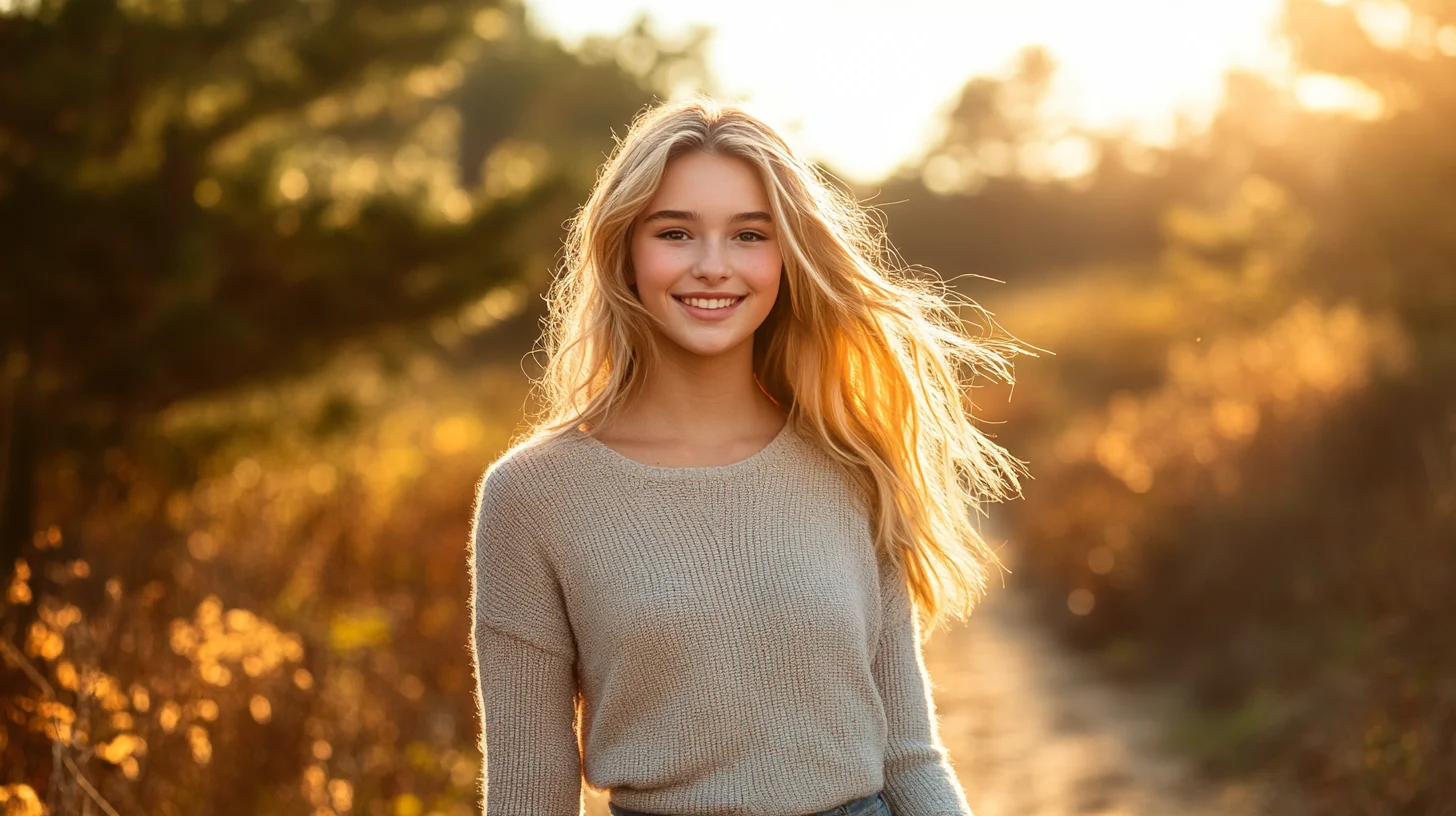
South Shore Photography photographs senior portrait sessions across Hingham, Norwell, Scituate, Duxbury, Marshfield, Hanover, Plymouth, and Rockland, MA. Photographer Chris McCarthy has spent years helping Class of 2026 and Class of 2027 seniors navigate one of the most confusing decisions in the portrait process: choosing the right package. This guide cuts through the noise.
If you've spent any time browsing senior portrait photographer websites on the South Shore — or anywhere, really — you know the experience. There's a wall of packages, tiers with names like “Essential,” “Signature,” and “Premier,” add-ons you didn't know existed, and pricing structures that are impossible to compare across studios. It's designed to feel overwhelming, and in many cases it is. I've been photographing seniors on the South Shore long enough to know what actually makes a difference in the final result — and what's just packaging noise. This post is my honest breakdown: what matters, what doesn't, and how to make a decision you'll genuinely be glad you made.
What Matters in a Senior Portrait Package
Most senior portrait packages are built around four variables. Understanding each one clearly is the foundation of making a good decision.
Number of edited images. This is the single most important variable in any senior portrait package, and it's also the one most commonly buried in fine print. When a photographer says “up to 100 images,” that sounds generous — but it usually means 100 lightly culled frames without serious editing investment in each one. When I say 60-80 carefully edited images from a 90-minute session, I mean every image in that gallery has received the full editing treatment. Make sure you understand whether the image count reflects genuinely edited work or a raw delivery with minimal post-processing.
Session length. Session length directly determines what is possible on the day. It controls how many locations you can visit, how many outfit changes are realistic, and — crucially — how much time exists for the warmup period before the best work starts happening. A 30-minute session has fundamentally different possibilities than a 90-minute session. Don't treat session length as a minor variable.
Number of locations. One location delivers a consistent, cohesive look. Two or more locations deliver variety — different backgrounds, different light quality, different moods. For seniors who want a gallery that feels diverse and gives their family multiple distinct images to display and share, two locations is the practical minimum. For seniors with a clear vision and specific use (yearbook plus a few personal favorites), one location can be entirely sufficient.
Number of outfit looks. Two looks is the standard for most senior portrait sessions, and for good reason — it gives the gallery natural variety without consuming session time on logistics. One look is limiting unless the session is specifically focused. Three or more looks gives genuine flexibility but requires a longer session to execute well. If variety matters to you, two well-chosen outfits in a 90-minute session consistently outperforms three rushed looks in the same window.
When evaluating packages, prioritize session length and image count over add-ons and extras. Rush delivery, print packages, and elaborate naming tiers are where photographers pad perceived value. The actual value lives in the time they spend with your senior and the images they deliver from it.
Session Length and What It Delivers
This is worth understanding in concrete terms, because the differences between session lengths are larger than they appear on a price sheet.
30-minute sessions give you one location and one look. They're fine for a targeted, specific purpose — a senior who needs a single strong yearbook submission image and nothing more. But 30-minute sessions leave almost no room for the warmup that produces relaxed, natural expressions. You are working against the clock from minute one, and that constraint is visible in the images.
60-minute sessions open up one or two locations and one or two looks. For seniors who arrive with a clear vision, move well in front of a camera, and don't need extensive direction, 60 minutes can produce an excellent gallery. For most seniors — especially those who haven't been photographed professionally before — 60 minutes is a little short to get past the self-conscious phase and into the more natural, relaxed work.
90-minute sessions are the standard senior portrait experience on the South Shore, and for good reason. Two locations, two to three looks, and enough time to capture meaningful variety without feeling rushed. Critically, there's room in a 90-minute session for the first 20 minutes to be warmup — and then the remaining 70 minutes produce work at a completely different level. This is what I recommend for most seniors.
Extended 2-hour sessions are right for seniors who want a complete, diverse gallery — three or more locations, three or more looks, a full range of settings and moods. These sessions are ideal for seniors who are serious about having images for a wide range of uses: social sharing, family gifts, wall art, and a comprehensive yearbook submission. They're also the right choice for seniors who simply love being in front of the camera and want to make the most of the experience.
My recommendation: most South Shore seniors are best served by a 90-minute session. The extra time compared to a 60-minute session pays off consistently in gallery quality — and the payoff is not incremental, it's substantial. Almost every senior who upgrades from 60 to 90 minutes is glad they did when they see the results.
How Many Images Do You Actually Need?
More images is not always better — and it's worth being specific about what you actually need the images for, because the answer changes significantly depending on use.
Yearbook submission typically requires one or two images in a specific format. Any legitimate senior portrait package delivers this; it's not a differentiating factor between packages.
Sharing with family and friends — social media, texting favorites to grandparents, sending to relatives — is well served by 20 to 40 images. That's enough variety to feel generous without overwhelming anyone who receives them.
Printing wall art and gifts typically draws from a much smaller pool. Most families identify 5 to 10 hero images that they actually print, frame, or turn into gifts. Having 80 images in a gallery doesn't change that — it just means there are more good images that don't get printed.
Full variety for all uses — a gallery that covers yearbook, sharing, printing, and has enough variety to satisfy a senior who wants genuine choice — lands at 60 to 80 carefully edited images from a 90-minute session with two or more locations. That's the sweet spot for most South Shore seniors.
What I'd steer you away from: packages that advertise 200 or more images from a single session. The law of diminishing returns applies heavily here. The 175th image from a session is not adding value — it's adding volume. A gallery of 200 images from one session almost always means the photographer is delivering everything they shot rather than doing the work of editing down to the best work. High image count is often a proxy for low editorial investment, not high value.
What to Look for in South Shore Senior Photographers
The package structure matters, but the photographer behind it matters more. Here's how I evaluate portfolio quality and professionalism when advising seniors who are comparing options.
Portfolio consistency. Look at 20 or 30 images from a photographer's senior portrait work — not the 5 best images on their homepage. Does the work look consistently excellent, or do you see a handful of standout shots surrounded by mediocre ones? Consistency is the mark of a photographer who can reliably deliver strong work in variable conditions. Peak images surrounded by filler suggest a high-volume shooter who occasionally gets lucky.
Location familiarity. A South Shore photographer should be able to name specific local locations without hesitation — Duxbury Beach, World's End, the North River corridor, the conservation fields off Main Street in Norwell, the harbor areas in Scituate and Duxbury. If a photographer's portfolio shows generic park settings that could be anywhere, or if they can't speak specifically about South Shore locations in a consultation, they probably don't know them well enough to make the most of them.
Communication before booking. Does the photographer communicate clearly, promptly, and with genuine interest in your senior's specific vision? The pre-session consultation — how they ask questions, what they ask about, how they describe the experience — tells you nearly everything about how the session itself will go. A photographer who is distracted or generic in consultation will be distracted or generic on session day.
Turnaround time. Two weeks from session to gallery delivery is the professional standard for senior portrait work. Significantly longer suggests the photographer is overbooked and that your images will not receive careful individual attention. Ask directly before booking — the answer matters.
Weather rescheduling policy. New England weather is unpredictable. A reputable South Shore photographer should offer weather rescheduling at no additional charge — it's a basic professional courtesy and a sign that they care about image quality over booking volume. If a photographer charges rescheduling fees for weather, treat that as a yellow flag.
What Doesn't Matter as Much as Photographers Make It Seem
The portrait industry has a long tradition of creating the impression that certain add-ons and features are essential when they're largely irrelevant to the quality of the final product. Here's what I'd deprioritize.
Rush delivery options. Occasionally useful if you have a specific hard deadline — a college application, a yearbook submission cutoff. But paying a premium for 48-hour turnaround when you don't have a specific deadline is just paying for anxiety relief. Standard turnaround is fine for the vast majority of sessions.
Physical print packages bundled with sessions. Buying prints upfront at the time of booking is convenient, but it's rarely the best deal. You haven't seen the images yet — you don't know which ones you'll want to print. Most reputable photographers offer online gallery ordering after delivery, which lets you make print decisions with the actual images in front of you rather than guessing in advance.
“Signature” or “premium” editing tiers. All professional portrait photographers deliver professionally edited images. When a photographer creates an elaborate language around editing tiers — “basic retouching” vs. “signature editing” vs. “premium color grading” — they're almost always describing the same process with different marketing labels. Evaluate the portfolio, not the editing tier names.
Dramatic studio composite setups. You've seen these: seniors floating against starfields, dramatic gradient backgrounds, heavily composited fantasy scenes. They're technically impressive and they photograph well in isolation. They also date poorly. Images that were considered cutting-edge studio work in 2018 often look dated by 2021. Outdoor natural light sessions on the South Shore — real locations, real light, real landscape — age much better and carry far more personal meaning years down the line.
Red Flags When Evaluating Senior Portrait Packages
Beyond what to look for, here are the warning signs that a package or photographer may not deliver what you're hoping for.
Packages that don't specify image count clearly. If a photographer uses vague language like “a selection of your best images” or “your favorites from the session” without a number, ask directly. Vague image count language almost always protects the photographer, not the client.
Very low pricing without explanation. Under $200 for a complete senior portrait session almost always means one of two things: the photographer is building a portfolio and lacks experience, or the business model depends on upselling at viewing — the session fee is low to get you in the door, and the real pricing emerges when you're shown images and pressured to purchase packages. Either scenario typically results in a disappointing outcome. For a wider lens on regional benchmarks — what photographers actually charge across the state and why prices vary so much — pricing benchmarks across Massachusetts senior photographers sets the goalposts before you compare packages side-by-side.
No pre-session consultation offered. A photographer who doesn't offer or suggest a consultation before your session is running a transactional, high-volume operation. That's fine for certain contexts — it's not fine for senior portraits, where the session should be planned around the specific senior's vision, personality, and goals.
Inconsistent or heavily effect-dependent portfolio work. If a photographer's portfolio relies heavily on dramatic processing effects — extreme HDR, heavy grain, aggressive color grading — rather than genuine light and composition quality, those effects are probably compensating for weaker fundamentals. Great portrait work looks great even when the processing is subtle.
No local South Shore location examples in the portfolio. A photographer who can't name specific South Shore locations or who doesn't show any South Shore-specific work probably doesn't know those locations well. Location knowledge matters — it affects where you position seniors in relation to the light, which backgrounds work at which times of day, and how to navigate each spot efficiently within the session window.
Frequently Asked Questions
How many images should I expect from a senior portrait session?
It depends on session length, but here's a practical guide: a 60-minute session typically delivers 35-40 edited images; a 90-minute session with 2 locations and 2 looks typically delivers 45-55 edited images. More images than that starts to reflect lower selectivity in editing rather than higher value — the photographer's job includes culling and selecting the best work, not delivering every frame that was taken. Focus on the quality of the portfolio more than the maximum image count in the package.
How many outfit changes can I do in a senior portrait session?
In a 90-minute session, I typically plan for 2 outfit looks with time to capture meaningful work in each. A 60-minute session can handle 1-2 looks depending on pace. Outfit changes take time — getting changed, settling into the new look, and the photographer adjusting for different colors and styles — so each change costs roughly 10-15 minutes of session time. Two well-chosen looks consistently produces better galleries than three rushed ones.
What makes South Shore senior portrait packages different from national chains?
The primary difference is specificity and relationship. National chains optimize for volume — fast sessions, standardized setups, immediate upsell pressure at viewing. A South Shore portrait photographer knows the local locations, plans a custom experience for each senior, and delivers a gallery that looks rooted in this specific place. For families in Hingham, Norwell, Scituate, Duxbury, or Marshfield, images that clearly show the South Shore's specific coastline, marshes, and conservation land carry more meaning and hold up better over time.
When should I book my senior portrait session?
For fall sessions — the most popular timing on the South Shore — I recommend booking by June for Class of 2027. October golden hour weekend slots fill quickly. Spring sessions (April-May) have more availability and can often be booked 4-6 weeks out. The full timeline is covered in the planning guide at southshorephotography.com/blog/senior-portrait-session-planning-timeline/ — I'd recommend reading it before reaching out.
Is it worth paying more for a longer senior portrait session?
In almost all cases, yes. The quality gap between a 30-minute session and a 90-minute session is not 3x — it's exponentially larger. The first 15-20 minutes of any session are warmup: the senior is getting comfortable, the photographer is learning their best angles and expressions, and both are finding a working rhythm. In a 30-minute session, there is no warmup — you're working the whole time against that constraint. In a 90-minute session, the last 45 minutes produce the best work of the day precisely because the first 45 minutes created the conditions for it.
PRO TIP
“When seniors and their parents look back at high school senior portraits five years later, the images they value most are almost always the ones that look authentically like that person at that age — not the heavily edited composites or dramatic studio shots. Natural light, a real South Shore location, and a session long enough to get past the ‘performing for the camera’ phase: that's what ages well.”
Book Your Senior Portrait Session
South Shore Photography photographs senior portrait sessions across Hingham, Norwell, Scituate, Duxbury, Plymouth, Marshfield, Hanover, and Rockland. Reach out to check Class of 2027 availability.
PILLAR GUIDE
The Complete Guide to Senior Portraits on the South Shore
This post focuses on how to choose the right senior portrait package. For the full overview — every South Shore senior portrait location, wardrobe by season, package pricing, and how to plan your session — read the complete pillar guide.
Senior portraits — the complete South Shore guide →
ABOUT THE AUTHOR
Chris McCarthy is a portrait photographer based in Rockland, MA who has been photographing the South Shore full-time since opening his studio in 2014 — more than a decade of outdoor and lifestyle portrait work across the region. He specializes in headshots, senior portraits, branding, family, and maternity photography — shooting at his studio at 83 E Water Street and on-location throughout southeastern Massachusetts at places like World's End, Scituate Harbor, Duxbury Beach, and the North River conservation land in Norwell.
More from the Blog
PLANNING GUIDE
When to Book Your Senior Portraits: A South Shore Planning Timeline
Month-by-month guidance on when to book, what to prepare, and how to make the most of your senior portrait session.
STYLE GUIDE
What to Wear for Senior Portraits on the South Shore
A complete guide to outfit choices, color coordination, and styling decisions for South Shore senior portrait sessions.
BUYER GUIDE
8 Questions to Ask Before Booking a Senior Photographer
Beyond package selection — how to vet the actual photographer.