SENIOR PORTRAITS · COLLEGE APPLICATIONS
Senior Pictures for College Applications — Quality Standards & Common Sense Tips
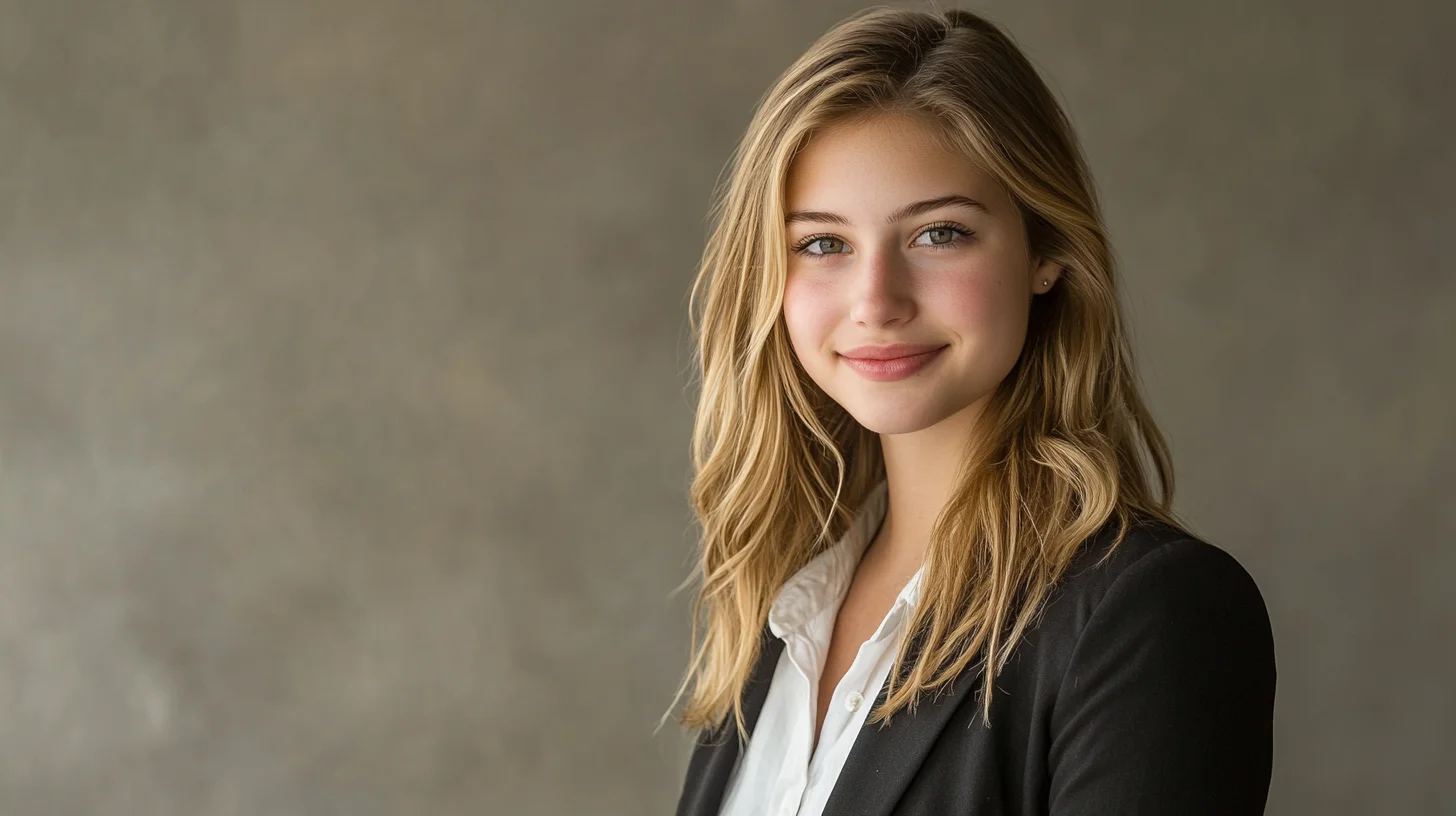
South Shore Photography is an outdoor and on-location portrait studio based in Rockland, MA. Chris McCarthy has photographed senior portraits across Hingham, Cohasset, Scituate, Norwell, Marshfield, Duxbury, Plymouth, Quincy, and more than twenty South Shore towns since 2014. This guide answers a specific question that families ask every spring and summer: what exactly are senior pictures for college applications, how do they differ from yearbook portraits and lifestyle senior sessions, and how do you make sure you have the right files ready when application portals open in August?
The short answer is that a college application portrait is a professional headshot meeting specific institutional standards — not a fashion editorial, not a yearbook glamour shot, not a selfie with a good camera. Most students who book a senior portrait session are thinking about the outdoor lifestyle gallery they'll share with family and post for graduation. The college application version lives alongside that gallery, but it requires a different set of decisions: clean, professional, recent, and appropriate for formal institutional review. Here is what you need to know.
Ready to book a session that delivers both your lifestyle gallery and a college-application-ready headshot in the same afternoon?
Book a Senior SessionWhat Colleges Actually Want in an Application Portrait
College application photo requirements vary by institution, but the standards cluster around a consistent core. Understanding those standards before your session means you arrive with a plan rather than improvising after the application portal opens.
Format and Technical Requirements
Most college application portals request a JPEG or PNG file under a specified file size — commonly 2 MB to 10 MB, though this varies by institution. Dimensions are typically specified as a minimum pixel count rather than a maximum; the Common App and most institutional portals accept images at 1200 pixels on the short side or larger. Color photographs are standard; black and white is generally accepted but not preferred by most reviewers. The image must be recent — most institutions specify within the last six months, which means a session from sophomore or junior year does not qualify for a fall senior application.
Content and Subject Requirements
Clear face visibility is the most consistent requirement across institutions. The face must be fully unobstructed — no sunglasses, no hats that shadow the eyes, no creative crops that cut off part of the head. Composition should be head-and-shoulders or three-quarter length; full-length images are generally not used for application portraits. Background should be neutral or simple — clean outdoor natural greenery, a plain wall, or open sky all work; a busy background, a recognizable party setting, or an obvious public event does not. No filters or heavy editing — the image should represent how you actually look, not a heavily stylized or retouched version. And critically: no group photos. The application portrait must be a solo image with no other people in the frame.
The Difference Between a College Application Portrait, a Yearbook Senior Picture, and a Casual Senior Portrait
These three categories are often treated as interchangeable, but they serve different functions and produce different images. Understanding the distinction helps you plan a session that delivers all three when needed — or arrive knowing exactly which one you need.
The College Application Portrait
Formal, professional, and designed to meet institutional requirements. Conservative attire, neutral background, clear face visibility, minimal editing. The goal is a strong first impression in a formal review context — not a statement about personality or personal style. Think of it as a polished professional headshot rather than a lifestyle portrait. The question it has to answer is: does this student look like they belong in a classroom? Everything else is secondary.
The Yearbook Senior Picture
Formal but with slightly more personality than an application headshot. Yearbook portraits typically use a neutral background (often draped fabric or a simple outdoor setting), smart attire, and a conventional composition — but they allow a bit more individual expression. The yearbook portrait is reviewed by your class and your school, not an admissions committee. A clean, professional yearbook portrait can often cross over to serve as an application portrait if the attire is appropriate and the background is neutral. If there is any doubt, the conservative test is the right one: if you'd hesitate to show the image to an admissions officer, it isn't the right file.
The Casual Lifestyle Senior Portrait
Outdoor, on-location, natural light, and lifestyle-driven. This is the session most seniors picture when they think of senior portraits — at the beach, at Scituate Harbor, along the carriage paths at World's End in Hingham, in a favorite park, wearing an outfit that reflects who they are. The goal is a gallery of images for graduation announcements, framed prints, and family memory. These images are beautiful, but they are not designed for formal institutional review — and that is the point. For a full walkthrough of the South Shore lifestyle senior portrait, see our complete guide to South Shore senior portraits.
How a South Shore Photography Session Produces College-Application-Ready Files
Most seniors who book a session with South Shore Photography are primarily booking for the outdoor lifestyle gallery — on-location at Hingham, Duxbury Beach, Cohasset, or one of the parks and harbors across the South Shore. The application-ready headshot is a component built into every senior session, not a separate booking.
Here is how it works: early in the session, before the lifestyle-oriented shooting begins, we spend ten to fifteen minutes with a clean, simple background — a neutral section of a building facade, a plain stone wall, or natural greenery set far enough back to blur into a clean, distraction-free backdrop. Conservative attire is worn for this segment. The composition is a tight head-and-shoulders frame that meets the most restrictive college portal specifications. The natural light outdoors handles the technical requirements without any additional equipment.
After the session, a separate application-ready export is delivered alongside the full lifestyle gallery — sized, cropped, and formatted for direct upload to the Common App and most institutional portals. Students who need only the application headshot and not the full lifestyle gallery can book a shorter focused session. Either way, the technical output is the same: a clean, professional, application-compliant JPEG delivered ready to upload.
By Chris McCarthy — South Shore Photography, Rockland MA, photographing seniors across 20+ South Shore towns since 2014.
About the photographer →Most senior sessions include both the on-location lifestyle gallery and the application-ready headshot. Questions about what's included or how the session runs?
Check AvailabilityWhat to Wear for a College Application Portrait
Clothing for the application portrait segment is conservative by design — the goal is to present yourself as a capable, professional candidate, not to express your personal aesthetic. That aesthetic has its place in the lifestyle portion of the session. For the application headshot, the styling question to ask is: would I wear this to a college interview?
Recommended attire: a collared shirt, a blazer or structured jacket, or a conservative dress in a solid, muted color. Navy, deep green, burgundy, soft gray, and warm cream all photograph well against neutral outdoor backgrounds. Avoid logos, large graphics, and anything that signals a specific brand, team, or affiliation. Admissions reviewers see hundreds of images and clean, neutral clothing reads as professional rather than generic.
Hair: off the face — pulled back, neatly styled, or arranged so the face is fully visible from the front. Natural face-framing pieces are fine; a significant portion of hair covering one eye is not appropriate for an application photo where clear face visibility is a stated requirement.
Jewelry and accessories: simple and minimal. A single necklace, stud earrings, and a watch are appropriate. Oversized statement pieces, stacked necklaces, and bold accessories draw the eye away from the face, which works against the purpose of a headshot.
Makeup: natural and polished. Outdoor natural light — which is the light source for these on-location sessions — is unforgiving of heavy contouring, dramatic eye makeup, and bold lip colors. A clean, slightly elevated version of an everyday look photographs better than a fully staged event look. For the lifestyle portion of the session, bring whatever reflects who you are; the outfit guidance in our senior portrait outfit ideas guide applies there. The application segment simply needs the conservative, professional look described above.
Headshot vs Senior Portrait for College Applications — When to Book Separately
Most seniors are well served by a combined session: one booking that produces the outdoor lifestyle gallery for personal use alongside a clean headshot crop for application submissions. But there are situations where a dedicated headshot session makes more sense as a standalone booking.
If the student already has a lifestyle senior portrait gallery from an earlier session and only needs the application-compliant headshot, a shorter focused session is the efficient choice. There's no need to book a full session for a single headshot crop.
If the student is applying to a highly competitive program where the photo carries significant weight — acting, dance, film, or music conservatory programs (discussed in the next section) — a dedicated session that focuses entirely on the application portrait and produces multiple clean options is worth considering.
If the student also needs a professional headshot for an internship, LinkedIn, or an early career application independently of college applications, the South Shore Photography on-location headshot service covers both use cases in a single booking. See our guide on what to expect from a headshot session for a full walkthrough of how these sessions run.
Acting, Music, or Performance Program Applications — Different Requirements
Students applying to conservatory programs, BFA acting programs, dance programs, or music schools need to know that the photo requirements for these applications differ significantly from general college application portrait standards. The headshot for a general university application is a professional introduction. The headshot for an acting or performance program application is a portfolio piece evaluated by faculty with a trained eye.
Theater and Film Acting Programs
BFA acting programs and conservatories typically request an actor's headshot — a specific format with its own conventions distinct from a general professional headshot. The standard is a tight head-and-shoulders composition on a clean but not necessarily sterile background, with genuine expression rather than a formal smile. Lighting should be clean and directional — which outdoor natural light handles exceptionally well — and the image should read as approachable and expressive rather than stiff or overly polished. These programs are evaluating whether you have presence on camera, not whether you can wear a blazer convincingly. The aesthetic is professional but warmer and more expressive than a general application headshot.
Dance and Performing Arts Programs
Dance program applications often request both a headshot and a full-length or three-quarter-length shot in rehearsal attire or dancewear. The headshot follows similar conventions to acting headshots — clean, expressive, professional. The full-length shot should show clean lines and controlled posture that communicates training. These are shot differently from a lifestyle senior portrait: the goal is to show the program what you look like as a dancer, not as a teenager at golden hour on a beach. Outdoor on-location settings with clean, simple backgrounds work well for both.
Music and Instrumental Programs
Music conservatory applications often request a headshot that sits between a general application portrait and an acting headshot — professional, warm, and showing personality without being heavily styled or dramatically lit. Some programs also request an instrument-in-hand environmental portrait showing you in the context of your instrument. This is a natural fit for outdoor on-location photography: a student with their violin, cello, or guitar on a bench at a South Shore park, with soft natural light and a sense of place, produces an image that is both application-appropriate and genuinely compelling as a portfolio piece.
Best Time of Year to Schedule College Application Portraits
The optimal window is June through August — the summer before senior year. Here is the reasoning in full:
The Common App opens on August 1st. Many early decision and early action deadlines fall in October and November. A session completed in June or July gives students time to review their gallery, select the application portrait, and have any light retouching finalized before August 1st — so the file is ready to upload the day the application opens rather than being scrambled together under deadline pressure.
Summer also offers the best outdoor light of the year on the South Shore. The golden-hour window in June and July extends past 8 PM, giving a wide scheduling range. Sessions don't have to be rushed around school commitments, sports schedules, or exam periods. The light is warm, the foliage is lush, and the on-location shooting conditions across South Shore parks, harbors, and beaches are at their best.
September and October remain viable — most applications accept photos taken in the months immediately preceding submission. But fall sessions compete with the busiest stretch of senior year: standardized testing, extracurricular commitments, college visits, and the college research process itself. The compressed timeline between a September session and an October early-action deadline is stressful in a period that is already demanding. The summer booking is simply the more comfortable approach and produces better results because the student arrives without the pressure of an imminent deadline.
For students planning both the lifestyle gallery and the application headshot in the same session, the preparation guide in how to prepare for a headshot session covers the details for the application-portrait segment of the day.
Frequently Asked Questions
What's the difference between a senior portrait and a college application photo?
Senior portraits and college application photos serve different purposes and have different aesthetic goals. A senior portrait is primarily personal — it captures who you are at seventeen, tells a story about your personality and interests, and is designed to be shared with family and displayed at home or in the yearbook. A college application photo is functional — it serves as a professional headshot that meets institutional requirements, presents you as a capable candidate, and in some cases is reviewed by admissions staff. The aesthetic is quieter and more conservative. The same session can produce both, but they require different shots and different delivery crops.
What do colleges want in an application portrait?
Most college application portals that request a photo want a recent image (taken within the last six months), clear face visibility, a head-and-shoulders or three-quarter length composition, a neutral or simple background, and no filters, effects, or heavy editing. Group photos, costumes, and photos taken at parties or events are generally not appropriate. The image should read as a professional introduction — not a casual selfie, not a fashion editorial, not a graduation portrait with a cap and gown. When in doubt, a simple outdoor headshot on a clean background meets virtually every institutional standard.
Can my yearbook senior picture work for college apps?
It depends on the yearbook portrait. A yearbook senior portrait taken at a professional studio with a neutral background, appropriate attire, and no heavily stylized lighting or posing can work for most college application submissions. A yearbook portrait with a dramatic background, heavy editing, elaborate styling, or specialty effects will not meet most application photo standards. The cleaner and more professional the yearbook portrait, the more likely it crosses over. If there is any doubt, booking a dedicated session for the application portrait eliminates the uncertainty — the session cost is minor relative to the application stakes.
When should I take my college application photo?
The optimal window is the summer before your senior year — June through August. The Common App opens on August 1st, and many early decision and early action deadlines fall in October and November. Scheduling a session in June or July gives you time to review and select images, request retouching if needed, and export application-sized files well before any deadline. A summer session also takes advantage of the best outdoor light of the year. Waiting until September or October is not disqualifying, but it compresses your timeline significantly and increases the stress of an already demanding period.
PRO TIP
“Schedule the application-portrait segment for the first fifteen minutes of your session — before the lifestyle shooting begins. You'll be freshest, your conservative attire is already on, and you won't have to transition back after an hour on a beach. Get the formal headshot done cleanly, then relax into the rest of the session. The application-ready file is finished before the session even feels like it has started.”
Get Your College Application Portrait on the South Shore
Most senior sessions include both the on-location lifestyle gallery and the application-ready headshot. Tell me your application timeline and I'll make sure the right files are delivered well before your deadlines.

ABOUT THE AUTHOR
Chris McCarthy is a portrait photographer based in Rockland, MA who has been photographing the South Shore full-time since opening his studio in 2014 — more than a decade of outdoor and lifestyle portrait work across the region. He specializes in headshots, senior portraits, branding, family, and maternity photography — shooting at his studio at 83 E Water Street and on-location throughout southeastern Massachusetts at places like World's End, Scituate Harbor, Duxbury Beach, and the North River conservation land in Norwell.
More from the Blog
HEADSHOT GUIDE
What to Expect From a Headshot Session
A step-by-step walkthrough of an on-location headshot session — from booking through final delivery, with timing and outfit guidance.
SESSION PREP
How to Prepare for a Headshot Session
Outfit choices, hair and makeup, timing, and the details that separate a strong headshot from an average one.
PACKAGES & PRICING
South Shore Senior Portrait Packages
Four all-inclusive tiers from $495 to $1,795 — every package includes a planning consult, a yearbook-ready crop, and full digital files.
LOCATIONS
Best Senior Portrait Locations on the South Shore
Beaches, parks, harbors, and downtowns across Hingham, Scituate, Duxbury, Cohasset, and more — with timing and access notes.