ENGAGEMENT PHOTOGRAPHY · STYLE GUIDE
What to Wear for Engagement Photos on the South Shore
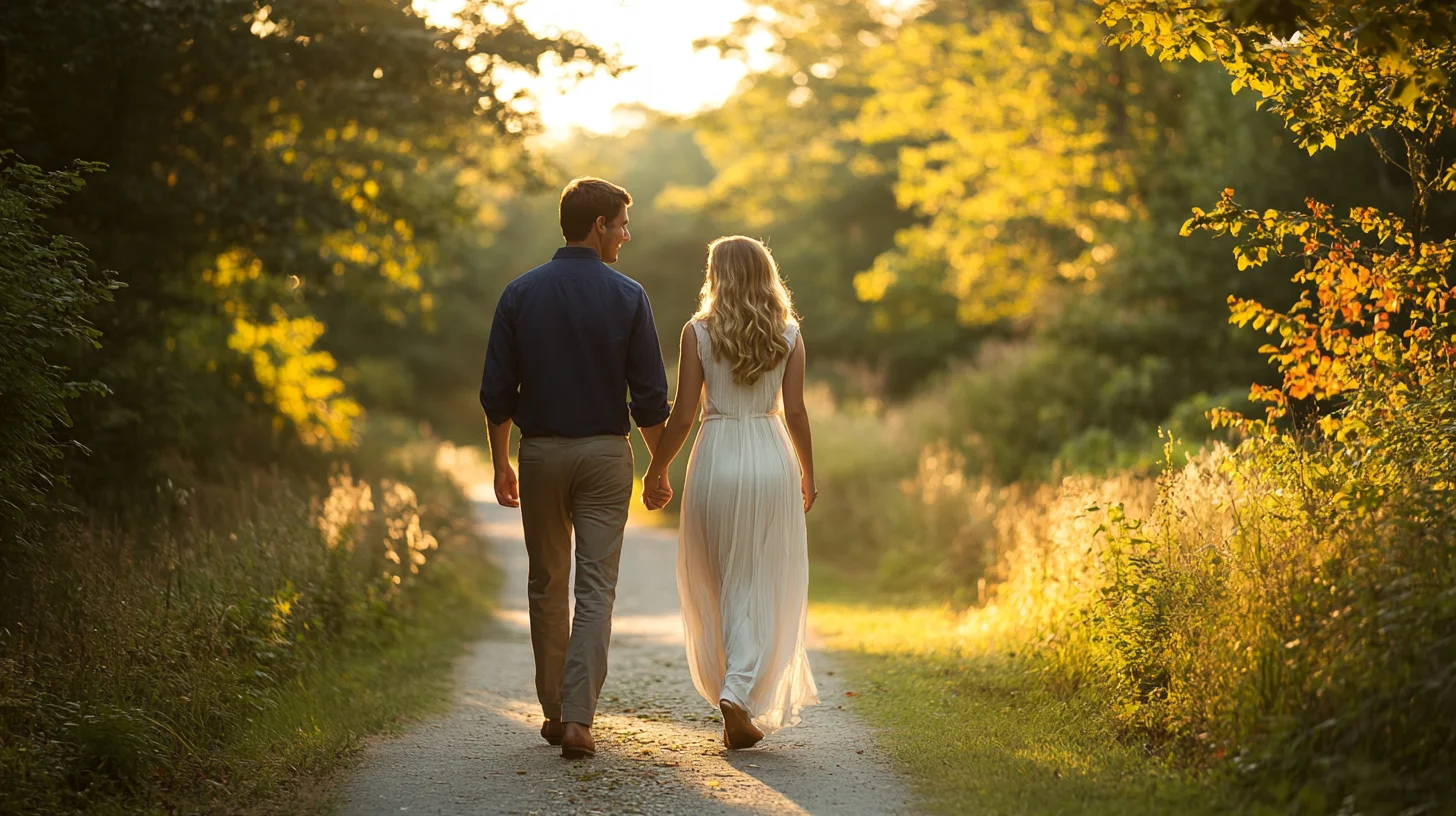
South Shore Photography, based in Rockland, MA, serves couples across Hingham, Scituate, Duxbury, Norwell, Cohasset, Marshfield, Plymouth, Weymouth, and beyond. Photographer Chris McCarthy has guided dozens of engaged couples through session planning — here is everything he's learned about what to wear.
Of all the questions I get from couples before an engagement session, outfit questions come up the most — and they deserve a thoughtful answer. What you wear affects everything: how you feel during the session, how you look in the images, and whether those photos still feel timeless five years from now. I've photographed enough engagement sessions on the South Shore to have seen what works beautifully and what creates headaches in post. This guide covers all of it.
Why Outfit Choice Matters for Engagement Photos
Engagement photos are not casual snapshots. They are the images that go on your save-the-dates, your wedding website, your parents' walls, and eventually into albums that your kids and grandkids will look through. They represent the first real visual impression of you as a couple in photographs — the first time most of your guests will see you photographed together as an engaged pair. That context is worth some intentional planning.
The outfit is also the one major visual element of the session that you fully control. I control the light, the location, the composition, and the timing. You control what you're wearing. That is a significant creative input, and couples who engage with it thoughtfully consistently get images they love more than couples who grab whatever is cleanest from the closet the morning of the session.
None of this means you need to overthink it or spend money on new clothes. The goal is simply to be intentional — to choose outfits that represent who you actually are as a couple, that complement your location, and that will look classic rather than dated when you pull those photos out a decade from now.
Coordinate, Don't Match
This is the single most important styling principle for couples, and it is also the most frequently violated one. Do not wear matching outfits. Identical colors, identical fabrics, identical formality levels — it all reads as costume rather than couple. It can feel sweet in theory, but in photographs it tends to look stiff, planned to the point of awkwardness, and oddly impersonal.
The right approach is to build a shared color palette of three to four colors and have each partner draw from that palette in their own way. One partner anchors in a dominant color while the other complements with a secondary or accent tone. The result is cohesion without uniformity — you look like you belong together without looking like you planned a coordinated costume.
Here are three palettes I return to often for South Shore sessions:
Coastal neutrals. Cream, navy, soft blue, and warm white. This palette reads as effortlessly South Shore — it echoes the colors of sky, water, and weathered wood without being on-the-nose about it. One partner in navy, the other in cream with a soft blue accent, works beautifully at Duxbury Beach, Scituate Harbor, or any coastal location.
Autumn warmth. Burgundy, camel, olive, and rust. This is my go-to fall palette for South Shore sessions. It sits beautifully against turning foliage at World's End or the North River corridor. One partner in a deep burgundy sweater, the other in a camel coat with an olive accent piece — the landscape and the clothing feel like they were designed for each other.
Spring pastels. Dusty rose, sage, ivory, and soft lavender. For spring sessions when the landscape is starting to green up and bloom, this palette adds warmth and femininity without reading as overly formal. It works particularly well in the conservation land settings of Norwell and Marshfield when the grass is fresh and the light is still soft.
What Works Best at South Shore Locations
Different locations on the South Shore have different characters, and your outfits should reflect where you're shooting. Match the formality of your clothing to the formality of your setting. A ball gown at a beach feels like a fashion shoot rather than an engagement session. A t-shirt at a historic downtown location can look under-invested. Calibrating to the setting is how you make the photos feel genuinely coherent.
Duxbury Beach. The wide sand, open sky, and natural dune landscape call for light, relaxed fabrics and bare feet. Flowy linen dresses, casual button-downs, soft knit sweaters — things you could actually imagine wearing on a beach walk. Avoid anything too structured or too formal: stiff blazers, heeled shoes, heavily tailored looks. The beach is unforgiving to anything that reads as costume, and bare feet in sand are almost always the right choice.
World's End, Hingham. The Olmsted-designed landscape here has a slightly elevated character — the carriage roads, the groomed landscape, the long views across the harbor. This setting supports a step up in formality from pure beach casual. Earth tones work especially well with the landscape. A fitted midi dress, a blazer over a soft tee, chinos with a relaxed button-down — the sweet spot is what I'd call elevated casual. The setting can handle some polish, but it still rewards naturalness over formality.
Scituate Harbor. The rocky shore, weathered boats, and coastal village character of Scituate supports nautical-adjacent styling — but stop well short of a costume. Navy and cream, linen and canvas textures, rolled pants and deck shoes on a partner — these all feel authentic to the location. What to avoid: actual nautical uniforms, overly preppy looks that feel ironic, or anything so formal it looks out of place against working harbor scenery.
Downtown Plymouth. The historic architecture, brick streets, and visual interest of downtown Plymouth support a more editorial, dressed-up approach. This is the location where a suit or blazer actually makes sense for one partner. Structured dresses, tailored separates, layered outfits with more intentional accessories — Plymouth's built environment gives you something to play against stylistically in a way that open natural landscapes don't.
Seasonal Styling for Engagement Sessions
New England seasons are genuinely different from each other, and the South Shore amplifies that. What works in July will not work in October, and vice versa. Here is how I think about seasonal styling for each part of the year.
Spring. Spring on the South Shore can run cool even as the landscape greens up — layer accordingly. Light layers that can be removed as the session progresses work well. Pastels and soft colors photograph beautifully against the fresh green of new growth. Linen and light cotton are appropriate fabrics. Avoid heavy, dark colors that absorb heat and can look visually heavy against a brightening spring landscape.
Summer. Breezy, light fabrics are essential — heavy materials in summer heat will make you visibly uncomfortable within minutes of arriving on location, and discomfort shows in photos. Linen, cotton, and light knits work best. One important note: avoid heavy, dark colors for summer beach sessions. Dark navy or black absorbs heat and can look visually dense against the bright light and pale sand of summer coastal locations. Soft mid-tones and lighter colors breathe better in the light.
Fall. My favorite season to photograph couples, and the one where styling has the most fun options. Rich tones — burgundy, camel, olive, rust, deep green — work beautifully against fall foliage. Textures come alive in fall: cable knit sweaters, wool coats, soft scarves, suede boots. Layers are both practical for New England fall temperatures and visually interesting in photographs. Scarves in particular are great accessories for fall engagement sessions — they add color, texture, and movement without being distracting.
Winter. Winter engagement sessions on the South Shore have a dramatic, cinematic quality that I genuinely love — the low light, the bare trees, the moody sky. Lean into it stylistically. Dramatic coats in deep, rich tones photograph beautifully. Moody jewel tones — deep teal, burgundy, charcoal — work well in winter light. Gloves and scarves function as accessories rather than just warmth, adding texture and visual interest. One practical note: plan for 15 to 20 minutes less actual shooting time in winter — the light fades faster and cold sets in. Account for that when planning your looks.
Common Outfit Mistakes to Avoid
Over the years I've seen the same styling mistakes come up repeatedly. Most of them are easy to avoid once you know to look for them.
Matching exactly. Already covered above, but worth repeating: coordinated palettes, not matching outfits. You are a couple, not a costume.
Busy patterns that compete with the background. Bold stripes, large florals, loud plaid — they can work in some editorial contexts, but for outdoor South Shore engagement sessions they typically distract from your faces and fight with the landscape for visual attention. Subtle textures and small-scale patterns are fine; large graphic prints usually aren't.
Visible brand logos. Large logos on shirts, bags, or hats will show up clearly in photographs and tend to date them immediately. Clean, logo-free clothing keeps the focus on you and ages gracefully.
Overly trendy pieces. The outfit that is the most fashionable right now is often the one that will look the most dated in five years. For photos you want to look at for decades, slightly classic choices age better than highly trend-dependent ones.
Brand-new stiff shoes. Wearing shoes you have never broken in to an engagement session is a recipe for discomfort and visible tension in your body language. If you want new shoes for your session, wear them around the house for a few weeks first.
Bright white on the beach. Bright white in direct coastal sunlight creates significant exposure challenges — it tends to blow out and lose detail. If you love white or off-white, schedule your session for overcast conditions or a shaded location, and choose an off-white or ivory rather than a stark white.
Neon colors. They create color casts on skin, they distract from faces, and they rarely age well. Skip them entirely.
How Many Outfits Should We Bring?
A standard engagement session runs 60 to 90 minutes, and that timeframe accommodates two outfit looks comfortably. More than two and you spend too much of the session changing rather than shooting; fewer than two means you have only one visual register for the entire set of images.
My recommendation is to start with your more dressed-up look and transition to casual. The reasoning is simple: your energy is highest at the beginning of the session, before the nerves fully settle and before any fatigue sets in. The more formal, intentional look benefits from that fresh energy. As the session progresses and you both relax, the casual look tends to produce the most genuinely natural, connected images.
For quick changes during the session: plan for about 10 minutes. I typically use a location transition as the change window — we move from one area to another, you change while I scout the next setup, and we pick up without losing momentum. Wear layers that come on and off easily, avoid elaborate hairstyle changes between looks, and bring a small bag with just the essentials for your second look.
If you genuinely cannot decide between three outfits, bring all three — but be realistic that we may only get to two of them well. I'd rather spend the available time getting exceptional images in two looks than mediocre images in three.
FREE GUIDE · PDF
Four outfit ideas, ready to copy
The free Couples Session + Posing Guide includes four coordinated couples outfits for beach, fall woods, harbor, and dressed-up sessions, plus 50 poses to go with them.
See four couples outfit ideas in the free guide →Frequently Asked Questions
Should we match outfits for engagement photos?
No — matching outfits tend to look stiff and costumey in photographs. Instead, coordinate within a shared color palette. Each partner should wear something that reflects their individual style while drawing from the same three to four color family. Complementary looks photograph far better than identical ones, and they feel more natural and relaxed in real life too.
Can I wear heels on the beach for engagement photos?
I generally advise against heels on the beach — they sink into sand, make walking uncomfortable, and can create tension in your body language that shows in photos. Bare feet are almost always the right choice at Duxbury Beach or any South Shore coastal location. If you want the look of an elevated outfit, achieve it through the clothing itself rather than footwear. Bring your heels for any architectural or downtown segments of the session if we do multiple looks.
What colors photograph best for engagement sessions?
Muted, mid-tone colors photograph best in natural outdoor light. Navy, forest green, burgundy, dusty rose, sage, cream, camel, and soft blue all translate beautifully across South Shore settings. Avoid neon or very bright colors, which can create color casts on your skin and distract from your faces. Very bright white can also be tricky on the beach where the light is already intense — if you want white or off-white, an overcast day or shaded location will handle it better.
Should my partner wear a suit for engagement photos?
It depends entirely on the setting and the vibe you want. A full suit at Duxbury Beach will feel incongruous and likely uncomfortable — a well-fitted casual blazer over chinos works much better for coastal locations. For more editorial or architectural locations like downtown Plymouth, a suit or sport coat absolutely fits. Match the formality of your outfit to the formality of your setting, and make sure both partners are at the same level of dressiness so no one looks out of place.
What about accessories for engagement photos?
Accessories are great in engagement photos — they add visual interest and personal character. Simple, meaningful pieces work best: a delicate necklace, small earrings, a watch, a hat. Avoid very large or very shiny statement pieces that draw the eye away from your faces and connection. Scarves and light layers photograph especially well in fall and early spring sessions. And if you have a meaningful accessory — a grandmother's necklace, a significant piece of jewelry — bring it. Those personal details make photos more meaningful.
PRO TIP
“The outfit that feels like you always photographs better than the one you think looks most formal. I've seen couples show up in perfectly coordinated high-fashion looks that felt completely wrong for who they were — and couples in jeans and their favorite sweaters who produced some of the most natural, beautiful images I've ever made. Wear something that makes you feel like yourself. The camera picks that up every time.”
Book Your Engagement Session
Engagement sessions start at $550 and include 60 to 90 minutes of shooting across South Shore locations with 40 to 50 edited images. Reach out to check availability and start planning your session.

ABOUT THE AUTHOR
Chris McCarthy is a portrait photographer based in Rockland, MA who has been photographing the South Shore full-time since opening his studio in 2014 — more than a decade of outdoor and lifestyle portrait work across the region. He specializes in headshots, senior portraits, branding, family, and maternity photography — shooting at his studio at 83 E Water Street and on-location throughout southeastern Massachusetts at places like World's End, Scituate Harbor, Duxbury Beach, and the North River conservation land in Norwell.
More from the Blog
CROSS-CLUSTER
LinkedIn Headshots — South Shore
Engagement + LinkedIn refresh: a common pairing as life changes around the wedding →
ENGAGEMENT
Engagement Photography on the South Shore, MA
Best engagement session locations and what to expect from your session.
STYLE GUIDE
What to Wear for Family Portraits on the South Shore
Complete styling guide for coordinating your family's outfits across all seasons.