SENIOR PORTRAITS · EQUESTRIAN
Senior Pictures with Your Horse — Equestrian Senior Portraits on the South Shore
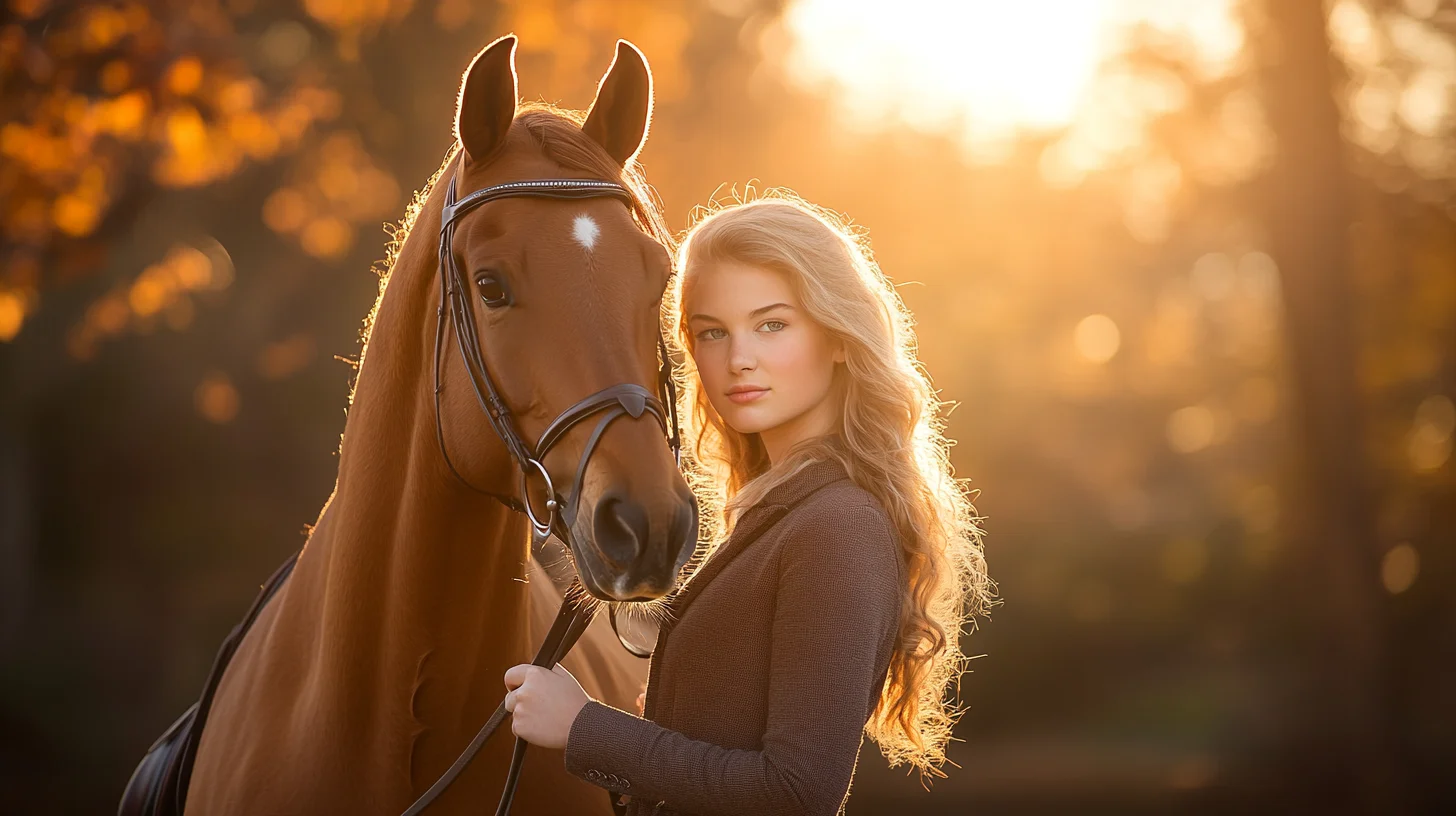
South Shore Photography photographs senior pictures with horse at working stables and boarding facilities across the South Shore of Massachusetts — Hanover, Norwell, Marshfield, Pembroke, and the surrounding towns where equestrian life is woven into the landscape. These sessions happen on-location at the horse's home stable, at golden hour, with natural light and a real sense of place that no studio setup can replicate. If your horse is part of who you are as a person, it belongs in your senior portraits.
A horse is not a prop. It is a relationship, a discipline, a commitment that starts before sunrise on cold January mornings and shows up in the way a rider carries herself, the calluses on her hands, the particular confidence that comes from partnering with a 1,200-pound animal and asking it to trust you. Senior pictures with a horse are worth doing precisely because they document something real — a chapter of your life that took years of work to build. Here is how to do them well.
Ready to Book Your Equestrian Senior Session?
Tell me your stable location, your horse's name, and your riding discipline. I'll work out the timing and shot list from there.
Where to Photograph Senior Equestrian Portraits on the South Shore
The answer is almost always: wherever your horse lives. Your home stable — the barn, the paddock, the field edge, the riding ring — is the best location for equestrian senior portraits for reasons that go beyond logistics. The horse is comfortable. The light falls across the property in ways I can plan around. The details are familiar and specific: the worn wood of your barn door, the fence line you walk every morning, the view of the field that belongs to this particular place. These details are what make the images yours and no one else's.
South Shore equestrian seniors most often board in Hanover, Norwell, Marshfield, and Pembroke, all of which have a concentration of working boarding stables within easy reach of Routes 3 and 53. Scituate, Duxbury, and Kingston have equestrian properties as well. If you board further south toward Plymouth or further north toward Hingham or Cohasset, on-location sessions are still entirely workable — I travel throughout the South Shore for senior portrait sessions.
Public parks and conservation land are not generally workable for horse portrait sessions. Trailhead parking and permit requirements make it impractical to bring a horse to World's End or Wompatuck State Park, even though both are beautiful properties. Stick with the stable. It has everything you need: the horse, the setting, and the context that makes the images meaningful. For Norwell senior portraits with a horse especially, the private stable setting routinely produces some of the most compelling senior images I make.
Prep the Horse for the Session
A well-groomed horse photographs dramatically better than one pulled straight from the field. Plan one to two hours of grooming before the session start time — not the morning of in a rush, but a calm and thorough grooming that settles the horse as much as it cleans it. Here is what to cover:
Coat and Tack
Curry out any dried sweat, mud, or dust and follow with a soft finishing brush to bring up the coat's natural sheen. A coat conditioner spray helps in dull-coat seasons. For the mane and tail, brush thoroughly and decide whether you want the mane braided or flowing loose — both work depending on the look you want, but make the decision before the session so you aren't mid-session trying to undo a braid. Tack should be cleaned and conditioned at least the day before: dry, cracked leather photographs about as well as it rides.
Hooves and Fly Control
Apply hoof black or a clear hoof oil shortly before the session — dark, clean hooves read beautifully in portraits where the full horse is in frame. In summer, apply fly spray generously before the session. A horse that is stomping, swishing, and shaking its head because of flies will not stand still for in-hand portraits. A second application may be needed if the session runs long in warm weather. Fly spray is not glamorous, but it makes the difference between a session that moves and one that stalls.
Prep the Senior for the Session
The senior portrait session with a horse is not a barn chore day and not a show day — it is something in between, which requires a little more thought than either. The goal is to look like yourself at your best in the environment where you actually spend your time.
Attire and Hair
Plan for at least two distinct looks: one mounted look with a riding helmet (this is non-negotiable from a safety standpoint and looks clean and polished on camera), and one in-hand or dismounted look that gives you slightly more flexibility. For the mounted look, wear your discipline's correct attire — that means breeches and tall boots as a baseline. For the dismounted look, a well-fitted sweater or jacket over clean breeches keeps you in the equestrian world without the formality of the show ring.
Avoid jewelry that catches or tangles with tack — necklaces that could get hooked, earrings that catch a helmet strap. Simple stud earrings are fine. Hair tucked neatly under the helmet for mounted looks; for in-hand shots, a simple loose braid or natural hair works well in outdoor light. Avoid heavy makeup that fights with the outdoor light — a clean, elevated everyday look photographs better than a fully done-up look in a paddock at golden hour.
Posing Options for Horse Senior Portraits
Equestrian senior portraits draw from a smaller menu of poses than a standard outdoor senior portrait session, but each pose tells a different part of the story. Here are the ones I return to most often:
- Mounted standing: The classic equestrian portrait — horse standing square, rider sitting tall, both looking forward or slightly toward camera. Strong, formal, timeless.
- In-hand portrait beside the horse: Senior standing at the horse's shoulder, hand on the neck or holding a lead line, horse looking out of frame or at the senior. This is often the most intimate-feeling image from the session.
- Walking pace: Senior leading the horse at a walk through the paddock or along the fence line, both in motion. Photographs beautifully in golden-hour light where the movement creates a sense of life and warmth.
- Leaning on the shoulder: Senior resting their head or cheek against the horse's neck, often eyes closed or looking down. One of the most emotionally resonant poses in the session — it documents the relationship rather than the sport.
- Forehead-to-forehead: Senior and horse nose-to-nose or forehead-to-forehead, a quiet moment of connection. Requires a relaxed horse and a patient handler but produces images that are genuinely different from anything you can stage.
- Mounted in motion: If the riding ring is available and the light is right, a few frames of the senior working the horse at a trot can round out the gallery with a sense of movement and discipline.
Not every pose works with every horse, and the session will adapt based on how the horse is feeling that day. A handler — either a barn friend or a parent — makes all of these setups significantly easier, especially for the in-hand and ground-level poses where someone needs to hold the lead line while I work around the composition. See our complete guide to senior portraits on the South Shore for more on how senior sessions are structured.
ABOUT THE PHOTOGRAPHER
By Chris McCarthy — South Shore Photography, Rockland MA, photographing seniors across 20+ South Shore towns since 2014. Equestrian senior sessions are scheduled at your stable; contact me to check availability and discuss your horse's location.
Riding Discipline Considerations
Your riding discipline shapes the visual language of the session. Each discipline has its own attire, tack aesthetic, and posture — and the portrait should honor that rather than genericize it.
English (hunter/jumper, equitation): Show jacket in a neutral color (navy, black, hunter green), breeches in tan or white, tall field boots, and a riding helmet. This is the most formal equestrian look and photographs beautifully in the paddock or in front of a barn with good architectural detail. The tailored lines of an English turnout create a clean visual contrast with the natural outdoor setting.
Western: A good hat (straw or felt depending on season), well-fitted jeans or riding pants, Western boots, a pearl-snap shirt or fitted Western jacket. The aesthetic is warmer and more relaxed than English, which pairs well with open-field settings at golden hour. Saddle and tack should be clean and in good repair — polished leather and a clean saddle pad photograph significantly better than everyday trail tack.
Dressage: For a formal look, a shadbelly coat, white breeches, and a top hat or dressage helmet. For a more editorial session, a plain dark coat with white breeches creates a strong graphic contrast that photographs exceptionally well in open light. Dressage tack — double bridle especially — has a level of detail worth capturing close.
Ranch/trail: The most relaxed discipline visually — jeans, paddock boots or Western boots, a flannel or barn jacket. The lifestyle aesthetic leans toward the working-ranch feel rather than the show ring, which works beautifully in a natural-light outdoor session with an unfussy composition. This is the discipline where the “leaning on the shoulder” and “forehead-to-forehead” poses feel most natural.
If you ride multiple disciplines, pick the one you want to lead with for the mounted look, then use the dismounted portion of the session for a second aesthetic. See the senior portrait props guide for more on how personal objects and equipment integrate into outdoor sessions.
Safety on a Photo Shoot with a Horse
A photo session with a horse requires a few specific safety protocols that don't apply to sessions without animals. None of these are complicated, but they are non-negotiable.
A handler is always present. The senior is not responsible for managing the horse and posing at the same time. A handler — ideally someone the horse knows well, a parent, a barn friend, or the barn manager — holds the lead line during all ground-level and in-hand work. This keeps the horse calm, gives the senior one less thing to focus on, and allows me to move around the composition without worrying about where the horse is looking.
Ground lines are clear. Before we begin, I walk the working area with the handler and confirm that there are no lead lines, cords, camera straps, or equipment on the ground that the horse could step on or spook from. Camera bags stay at the fence or with a parent, not on the ground near the horse.
No flash. I photograph equestrian sessions entirely with natural light. Flash near a horse — especially an unexpected pop — is a spook risk and is off the table regardless of lighting conditions. If the light is too low for natural-light work, we adjust timing rather than using artificial light.
Slow movements and quiet shutter sounds. I use a relatively quiet shutter mode during equestrian sessions and move deliberately rather than quickly. If the horse is uncertain — ears back, weight shifting, tension in the neck — we pause and give the horse a moment to settle before continuing. The handler's read of the horse always takes priority over the session schedule.
Lighting for Outdoor Horse Photography
Golden hour is the non-negotiable standard for outdoor equestrian senior portraits. The hour to ninety minutes before sunset produces warm, low, directional light that does three things beautifully: it brings out the depth and sheen in a horse's coat, it wraps the senior in flattering color, and it creates long shadows across the paddock and field that give the images a sense of dimension and mood.
Overhead midday sun is particularly unforgiving on horses because it creates harsh shadows in the dips and curves of the coat — a dark bay horse in midday sun looks flat and slightly burned-out rather than the rich, dimensional brown it actually is. The same sun washes out the detail in a gray horse and makes a chestnut look almost orange. Wait for golden hour and the coat transforms.
A cloudy-bright overcast day — thin cloud cover, diffuse light, no direct sun — is an excellent backup. The light is soft and even, the horse's coat reads true to color, and the senior's skin tones are flattering at any angle. If the forecast shows light overcast on the day of your session, do not reschedule. These conditions photograph beautifully and the more relaxed pace (no rushing to catch a light window) often produces calmer horses and more natural images.
For the South Shore's equestrian geography, golden hour timing in the peak senior portrait season (September through October) runs roughly 5:00 to 6:30 PM — workable hours that don't require pulling the senior out of school for an afternoon session.
Best Time of Year to Schedule Equestrian Senior Portraits
September and October are optimal. Horses are in excellent coat condition as the summer coat transitions — not the winter fluffiness that can make a horse look less defined on camera, but a tight, finished coat with good sheen. Fly pressure has dropped significantly from the peak summer months, which means less stomping and tail-swishing during in-hand poses. Golden hour falls at a workable 5:00 to 6:30 PM window. The foliage in inland South Shore towns like Norwell, Hanover, and Marshfield begins turning in mid-October, which adds warm color to field and paddock backdrops that doesn't exist any other time of year.
Late May and June are the strong spring option. The light is long — golden hour runs to 7:30 or 8:00 PM — which gives scheduling flexibility after school and stable commitments. Horses are typically finishing the transition out of winter coat by mid-May. The disadvantage is fly season is beginning; heavy fly spray before the session is essential. The landscape is lush and green in a way that photographs beautifully against most horse colors.
July and August are workable but not ideal. Flies are at their worst. Heat stress on both horse and senior is a real factor in afternoon sessions. If you must schedule in peak summer, plan for 7:00 PM or later to catch late golden hour and reduce heat and fly pressure. Shaded barn areas become more useful as primary locations rather than open paddocks.
Winter sessions are possible but limited. A bare-field backdrop and a horse in full winter coat both require a specific visual approach — this is more editorial than lifestyle, and works best for seniors who want that particular look. The light window is short (4:00 to 5:00 PM in December). If you missed the fall window, winter is worth discussing rather than waiting until the following spring. See the complete guide to senior portraits on the South Shore for timing guidance across all session types.
Frequently Asked Questions
Can I bring my horse to a regular senior portrait session?
The short answer is no — a horse cannot be transported to a park or beach location the way a guitar or a sports jersey can. All equestrian senior portrait sessions happen at the horse's home stable or a boarding facility where the horse is comfortable in its regular environment. The familiar setting also makes the horse far easier to work with; horses that are moved to unfamiliar locations often become nervous and distracted, which shows in the photographs. If your stable is on the South Shore, we come to you. Location scouting happens before the session day.
Do I need permission from my stable to schedule a senior portrait session?
Yes, always. Even if you board your horse at a private stable, you need the stable owner or barn manager's permission before scheduling a portrait session on their property. Most South Shore stables are accommodating, especially when you explain the scope — a photographer, a senior, a horse, and a session that lasts one to two hours. The barn manager may have preferences about which areas of the property can be used and may want to be present during the session. Communicate early, confirm in writing, and give the barn manager my contact information if they have questions about the setup.
How long does an equestrian senior portrait session take?
Plan for ninety minutes to two hours from setup to wrap. That includes time for the horse to settle once you've started handling it, at least two distinct looks (mounted and in-hand, for example), and moving between two or three spots on the property — paddock, barn door, field edge, riding ring. The light window at golden hour is roughly forty-five to sixty minutes, so the session is paced to use that window most effectively. Bring a handler or a barn friend who can help manage the horse between looks; this speeds up transitions significantly and keeps the session running smoothly.
What should I wear for an equestrian senior portrait session?
Wear your riding discipline's correct attire for the mounted look — breeches and tall boots with a show jacket for English, jeans and Western boots with a good hat for Western, shadbelly for formal dressage. For a second, more casual look, barn-chic works well: clean breeches, a well-fitted sweater, tall boots without the show jacket. Avoid logos and graphics. Tuck hair neatly under your helmet for the mounted look; for the in-hand shots, hair worn naturally or in a simple braid works well. Choose colors that coordinate with your horse's coat — cream, dusty blue, and burgundy all photograph well against most horse colors.
PRO TIP
“The best equestrian senior portraits don't try to document everything about riding — they pick one moment and do it completely. A forehead-to-forehead shot with a horse you've owned for six years says more about who you are than twenty technically perfect mounted poses. Start with the relationship. The sport follows.”

ABOUT THE AUTHOR
Chris McCarthy is a portrait photographer based in Rockland, MA who has been photographing the South Shore full-time since opening his studio in 2014 — more than a decade of outdoor and lifestyle portrait work across the region. He specializes in headshots, senior portraits, branding, family, and maternity photography — shooting at his studio at 83 E Water Street and on-location throughout southeastern Massachusetts at places like World's End, Scituate Harbor, Duxbury Beach, and the North River conservation land in Norwell.
Schedule Your Equestrian Senior Portrait Session
Send me your stable location, your horse's name, your riding discipline, and your general availability for golden-hour sessions in September and October. I'll follow up within 24 hours.
More from the Blog
PACKAGES & PRICING
South Shore Senior Portrait Packages
Four all-inclusive tiers from $495 to $1,795 — every package includes a planning consult, a yearbook-ready crop, and full digital files.
PROPS GUIDE
Senior Portrait Props Guide for the South Shore
How to use personal objects — instruments, sports gear, letters, and more — to make your senior portraits feel like you.
SERVICES
Senior Portrait Sessions — South Shore Photography
Outdoor and on-location senior portraits across the South Shore of Massachusetts. Session options, pricing, and what to expect.
NORWELL
Senior Portraits in Norwell, MA
Outdoor senior portrait locations in Norwell — conservation land, farm settings, and golden-hour spots across one of the South Shore's most scenic towns.
See also: Senior pictures with siblings on the South Shore — planning a sibling-inclusive senior session.